日本語
日本語 


As Machined
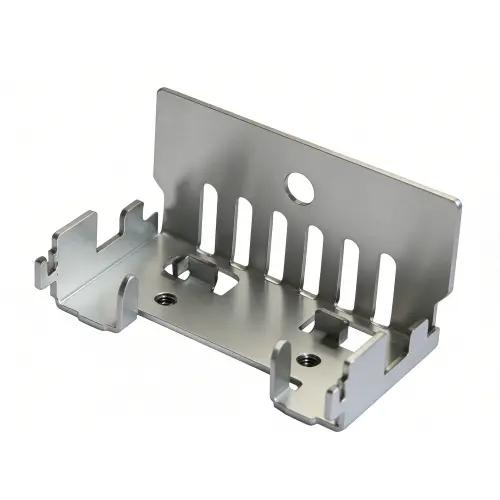
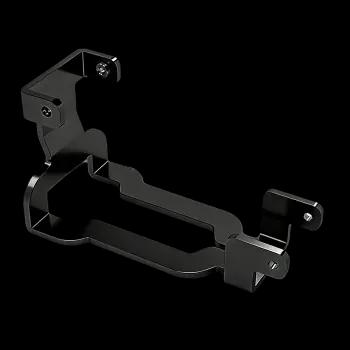
Solve cost and timeline pressures for non-cosmetic parts. This finish leaves the surface straight from the press brake, providing the fastest, most economical solution for functional brackets, internal frames, and hardware.
Get precision-bent parts faster. Upload your design for an instant quote and free DFM analysis in hours, and receive production-ready components in as few as 3 business days.
Get an instant quote today.
Get instant pricing, project lead times, and DFM feedback
STEP | STP | SLDPRT | STL | DXF | IPT | X_T | X_B | 3DXML | CATPART | PRT | SAT | 3MF | JT files
File size: 15MB
Trusted by Engineers and Purchasing Leaders at the World's Most Successful Companies








28,000+ customers trust LS Manufacturing for their sheet metal fabrication, relying on our 99.8% on-time delivery and ±0.1mm precision.
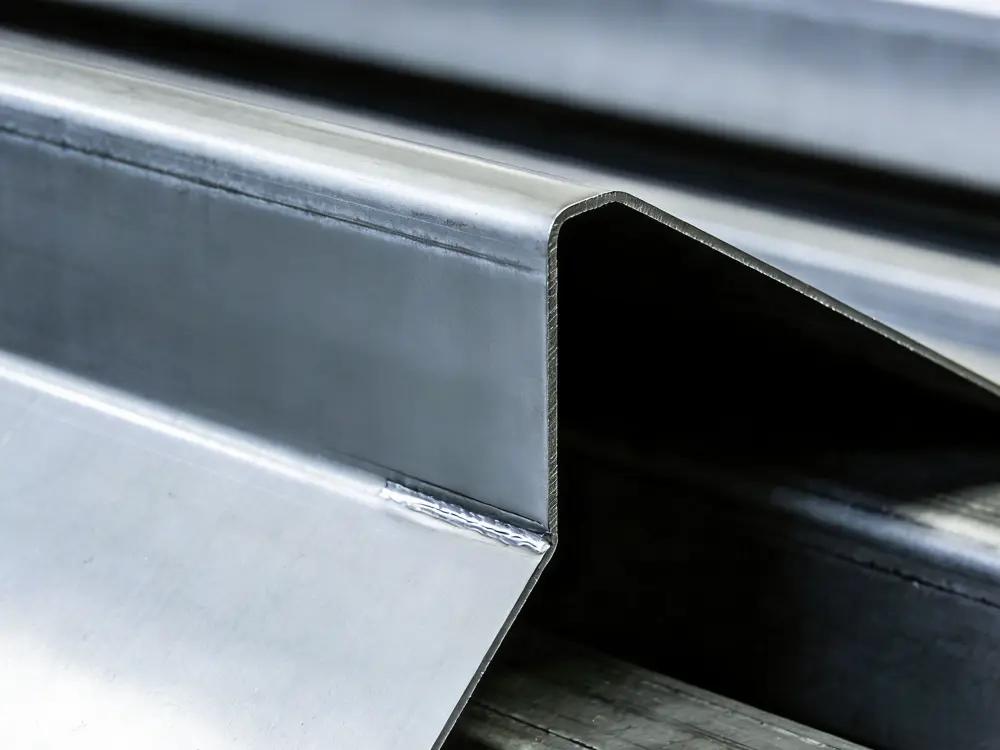
Metal bending is the precision-forming process that permanently shapes sheet metal into structural angles and complex geometries. It is the critical, value-adding step that transforms flat, laser-cut blanks into the durable frames, enclosures, and supports that give a product its strength, form, and function.
At LS Manufacturing, we engineer bending solutions that eliminate the root causes of part misalignment and assembly delays. We don't just bend metal; we solve fit and consistency challenges. Our advanced press brakes, digital tooling, and in-process monitoring guarantee repeatable accuracy to within ±0.5°, ensuring every component matches your design and fits perfectly on the first try, saving you time and cost on rework.
We compress your development timeline. Upload your 3D CAD file for an instant, manufacturability-reviewed quote that identifies potential issues before production begins. This seamless digital process provides certainty on cost, quality, and delivery—turning your designs into precisely formed, production-ready reality for both prototypes and high-volume runs.
Metal bending is a precision-forming process that permanently deforms sheet metal into specific angles and shapes—such as V-bends, U-channels, and complex profiles—by applying calculated force along a straight axis. It is the critical step that transforms a flat, laser-cut blank into a functional, three-dimensional component.
At LS Manufacturing, we engineer this process for predictability and repeatability. A sheet is accurately positioned between a matched punch and die set within our CNC press brakes. The punch then applies controlled force, pressing the material into the die to achieve the exact programmed bend angle and internal radius. The key to success lies in our precise digital control of critical parameters—bend angle, radius, tonnage, and the critical compensation for material springback. We preemptively calculate and adjust for variables like material thickness, tensile strength, and grain direction to prevent defects, ensuring the metal forms correctly without cracking or distortion.
This engineered approach solves the core challenges of part fit and assembly delays. It enables the production of strong, dimensionally accurate components with the consistency required for both prototyping and high-volume runs. Partner with LS Manufacturing for bending technology engineered for certainty.
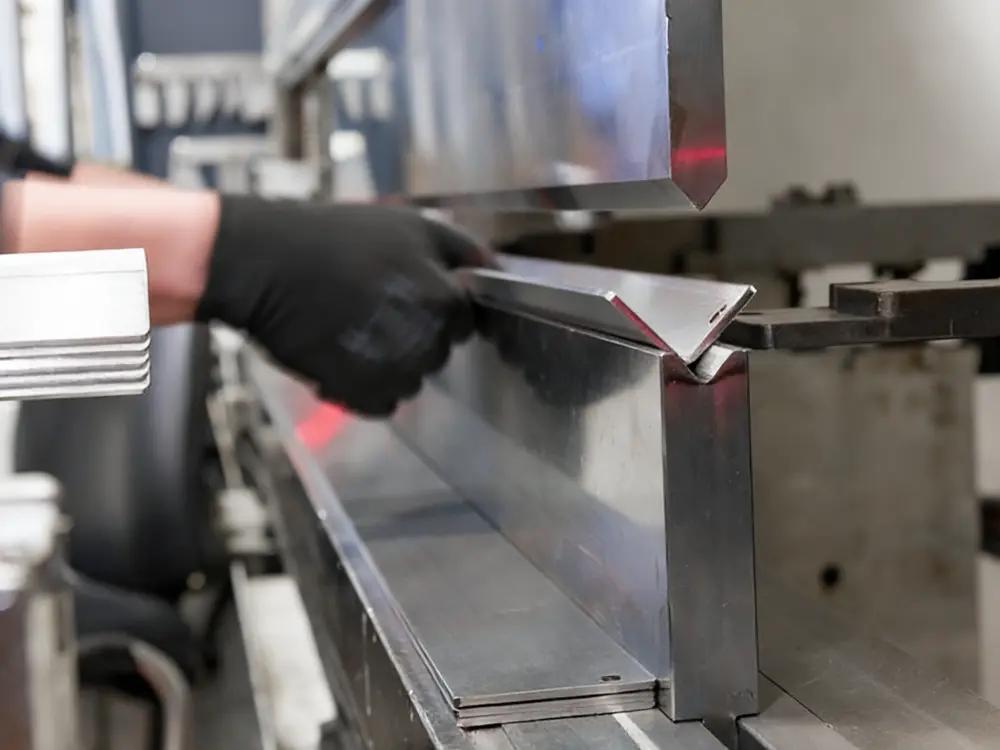
There are several precision methods for bending sheet metal, each engineered to solve specific design and production challenges. Selecting the right technique is critical for achieving optimal strength, accuracy, cost, and efficiency for your parts.
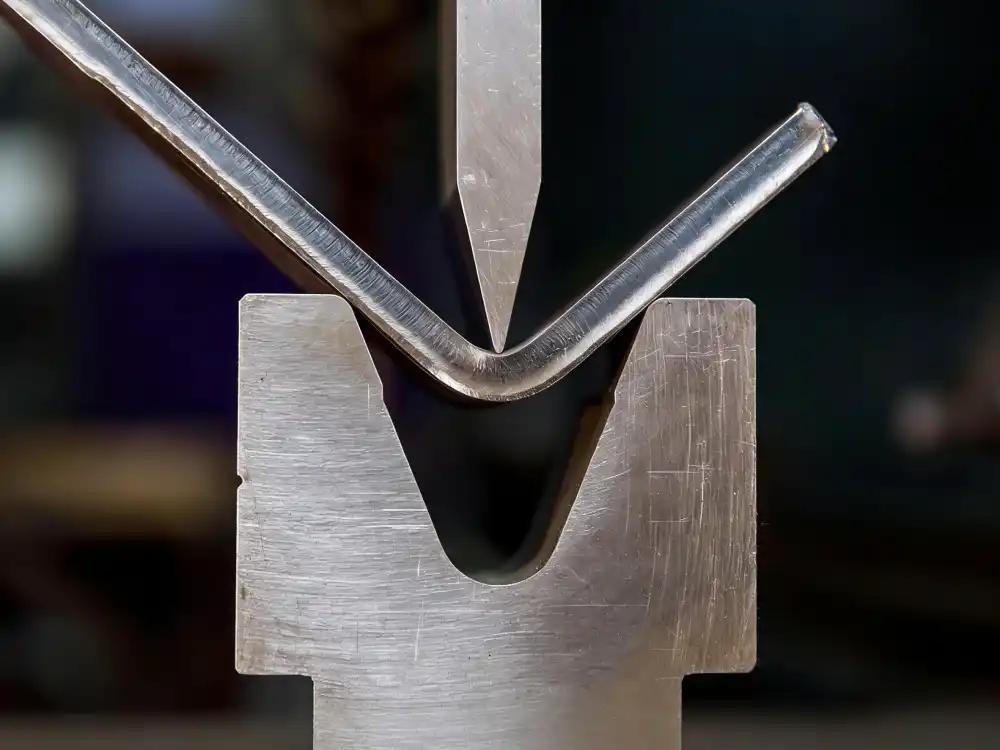
This versatile method uses a V-shaped die and punch to create precise bends. It balances speed and accuracy, ideal for a wide range of angles and production volumes, offering excellent repeatability for consistent part quality.
The punch contacts the sheet without fully bottoming in the die, creating the bend with air space underneath. This allows one tool set to form multiple angles, providing great flexibility and lower tooling costs for prototypes and variable designs.
The punch forces the sheet completely into the die, making full contact. This achieves high accuracy and sharp angles with minimal springback, ensuring tight tolerances and predictability for high-precision components.
A high-tonnage process that plastically deforms the material between the punch and die. It virtually eliminates springback, creating very precise, permanent bends. Ideal for demanding applications where dimensional stability is critical.
Forms a U-shaped channel in a single operation using a punch and die set. This method produces consistent, symmetrical profiles efficiently, perfect for creating housings, ducts, and structural channels with high strength.
Uses three rollers to gradually curve sheet metal into large radii or cylinders. It solves the challenge of forming smooth, continuous curves for tubes, cones, and rounded architectural or industrial components.
A specialized method where the sheet is bent by a moving, rotating tool. It minimizes surface marking and is excellent for pre-painted or delicate materials, preserving finish quality while achieving precise bends.
A series of small, adjacent V-bends are made to approximate a large radius curve. This technique creates smooth contours without dedicated roll tooling, offering a cost-effective solution for low-volume curved parts.
Navigate our curated selection of engineering-grade metals. Each material is chosen to solve specific performance challenges—from weight reduction and corrosion to conductivity and ultimate strength. Select a material below to explore its properties and find the optimal solution for your bending application.
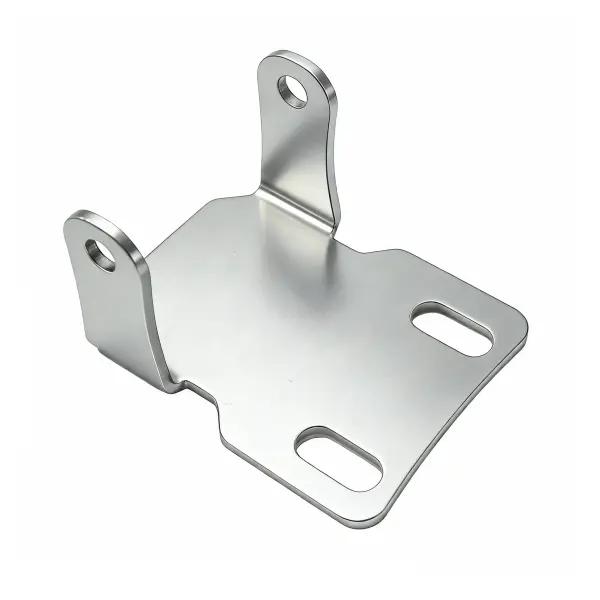
Solve weight challenges without sacrificing strength. Aluminum offers an exceptional strength-to-weight ratio and natural corrosion resistance, making it the premier choice for aerospace frames, automotive brackets, and lightweight enclosures where reducing mass is critical.
Get Expert Material Guidance!
Upload Your Design Files TodayProtect and perfect your formed components. Our engineered surface finishes solve critical challenges of corrosion, wear, and aesthetics—extending part life, ensuring performance, and meeting stringent industry standards for both prototypes and production.
Solve cost and timeline pressures for non-cosmetic parts. This finish leaves the surface straight from the press brake, providing the fastest, most economical solution for functional brackets, internal frames, and hardware.
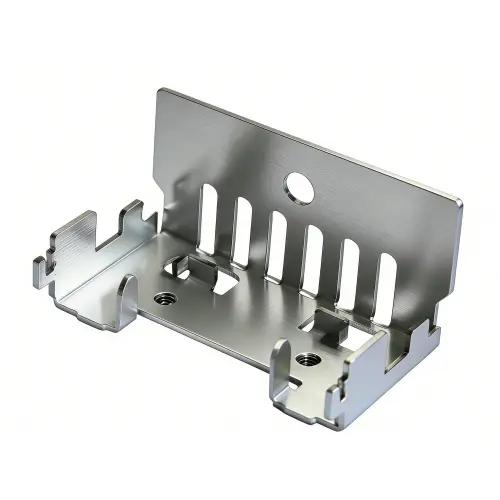
Eliminate the visible wear and fingerprints that degrade appearance. This unidirectional satin texture masks fine scratches, providing a consistent, premium look for consumer-facing panels, appliances, and architectural trim.
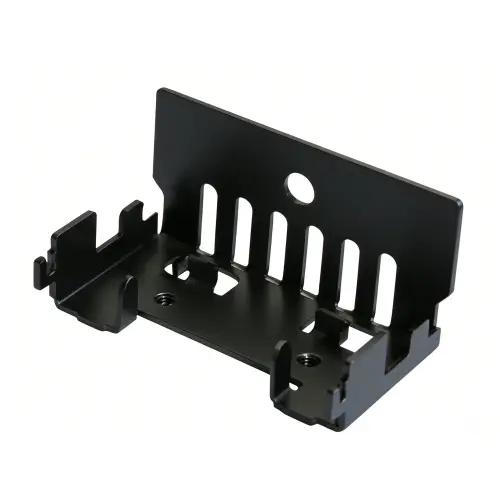
Solve corrosion and wear challenges for aluminum components. This electrochemical process creates a hard, integral oxide layer that significantly extends service life and allows for durable, color-fast dyeing.
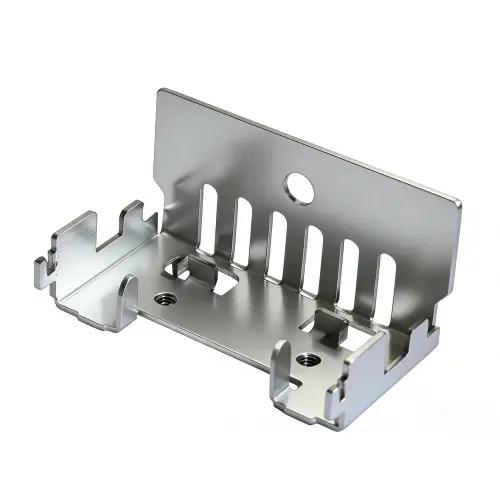
Achieve a high-gloss, reflective finish for aesthetic or functional needs. The process removes micro-imperfections, enhancing visual appeal, cleanability, and light reflectivity for consumer products, decorative trim, and instruments.
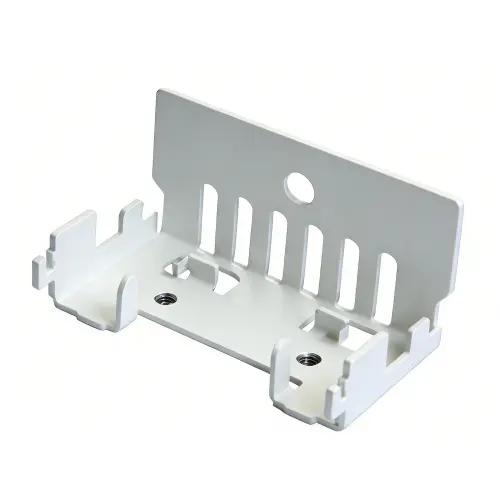
Apply a thick, durable, and uniform protective shield. This finish offers superior impact, chemical, and UV resistance in a wide range of colors and textures, ideal for outdoor equipment, automotive parts, and industrial enclosures.
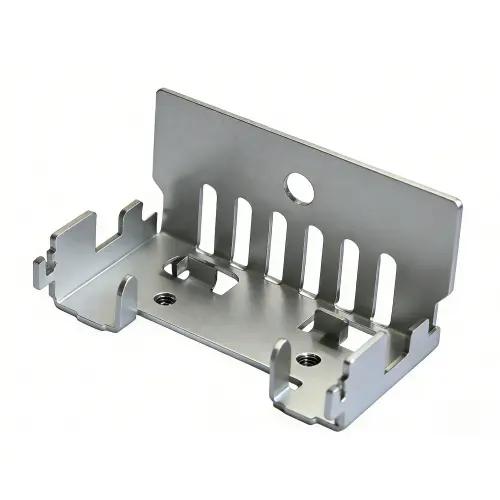
Create a uniform matte texture and optimal surface for coating adhesion. Using pressurized media, it cleans and prepares surfaces, effectively hiding minor imperfections and providing a consistent, non-reflective finish.
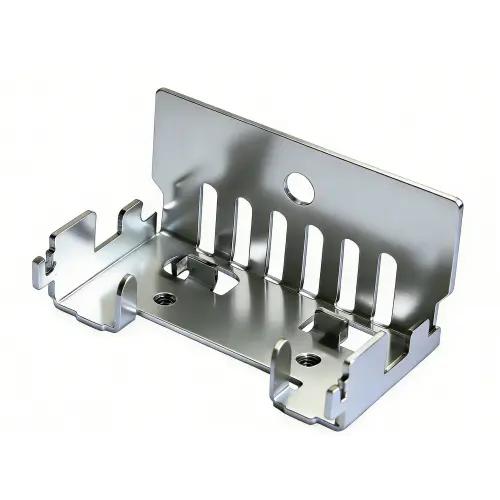
Enhance surface properties with a bonded metal layer. This process adds hardness, improves corrosion resistance, or applies a decorative chrome, nickel, or zinc finish to base materials for both functional and cosmetic upgrades.
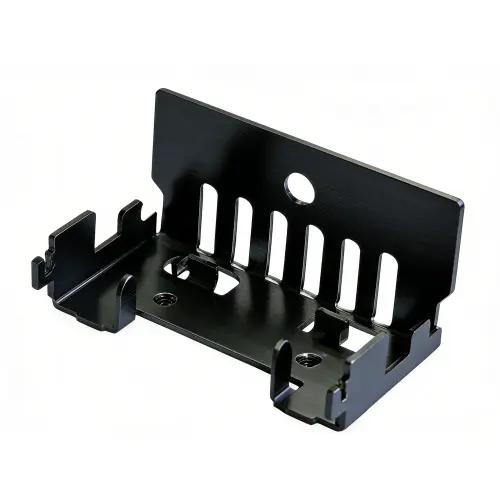
Improve corrosion resistance on steel with minimal dimensional change. This conversion coating adds a dark, non-reflective finish that absorbs light, reduces glare, and provides a base layer of protection for tools and components.
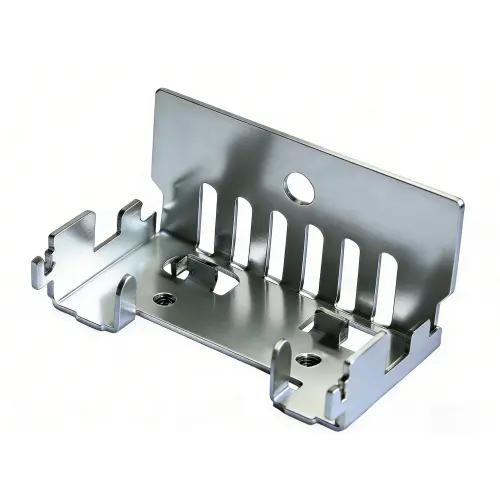
Provide eco-friendly zinc coating without hydrogen embrittlement risks. This cold-welding process is ideal for high-strength fasteners and springs, offering reliable corrosion protection while maintaining material integrity.
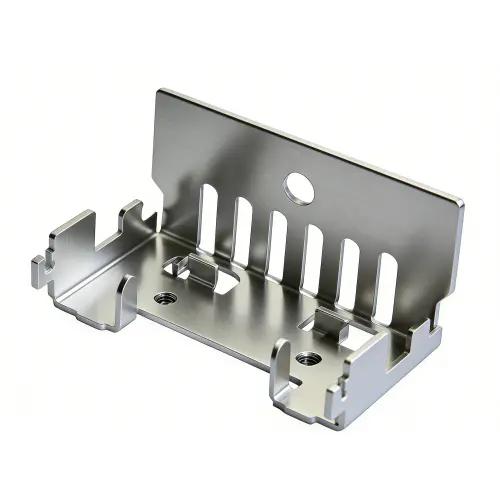
Achieve cost-effective surface refinement for small to medium bent parts. This batch process efficiently removes burrs and creates uniform surface textures through rotational or vibrational motion with abrasive media.
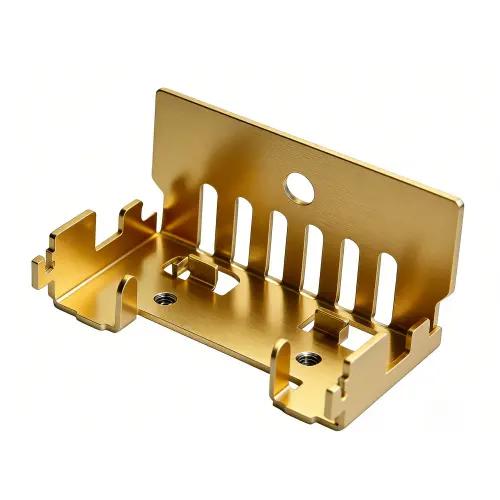
Apply a decorative gold-like finish with excellent corrosion resistance. This electroplating process provides an attractive appearance while maintaining good durability for architectural and consumer product applications.
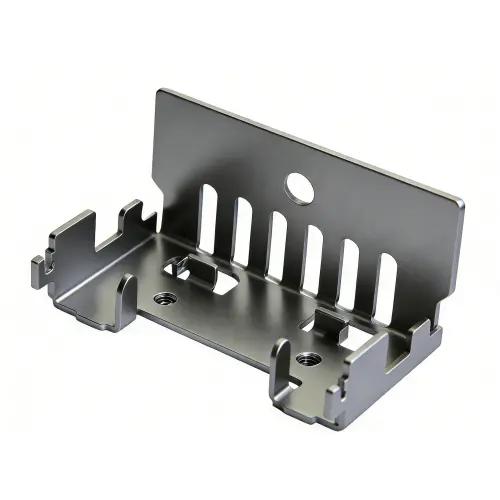
Create unique color effects on aluminum components. This specialized process combines anodizing with powder coating techniques to achieve distinctive visual appearances with enhanced durability.
Our bending capabilities are engineered to solve challenges of size, strength, and precision. The specifications below ensure your parts—from large structural assemblies to high-tolerance brackets—are formed reliably, fit perfectly, and are delivered on schedule.
Capability | Specification |
|---|---|
Maximum Part Size | 1.5m x 1.5m (59" x 59") – Solves the need for forming large panels and assemblies in a single setup. |
Bending Force | Up to 1000 Tons – Provides the necessary power to form high-strength materials and thick plates without compromise. |
Maximum Bending Length | 7200 mm (283") – Enables the precision bending of long parts for frames, enclosures, and structural components. |
Maximum Material Thickness | Up to 60 mm (2.36") – Handles a wide range from thin-gauge sheet to heavy plate for diverse project requirements. |
General Tolerances | Conforms to ISO 2768-m – A standard ensuring balanced precision for efficient manufacturing. |
Bend-to-Edge/Hole Tolerance | ±0.254 mm (±0.010") – Guarantees precise feature alignment for error-free assembly. |
Recommended Inside Bend Radius | Equal to material thickness (1T) – The standard for optimal formability and material integrity. |
Bend Angle Tolerance | ±1.0° – Ensures consistent angle accuracy across all production parts for reliable fit. |
Maximum Bend Cut-Out Area | 4000 mm² – Allows for the integration of necessary cut-outs near bends without weakening the part. |
Standard Lead Time | 5-7 Business Days – A predictable timeline for planning, with expedited options available. |

Solve fit, assembly, and timeline challenges with our dedicated sheet metal bending expertise. We integrate advanced press brakes, digital tooling, and in-process monitoring to deliver precision-formed parts with guaranteed angles, flush seams, and dimensional accuracy—supported by transparent project management and reliable logistics from prototype to high-volume production.
We eliminate the frustration and delay of mismatched parts. Our engineered solutions address the root causes of assembly errors and production bottlenecks. Rigorous process control ensures every component meets specification, and our integrated approach accelerates your path from prototype to volume manufacturing with confidence.
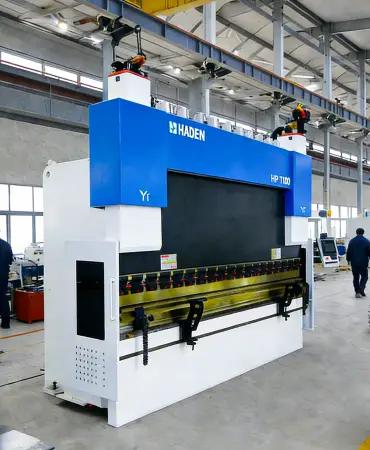
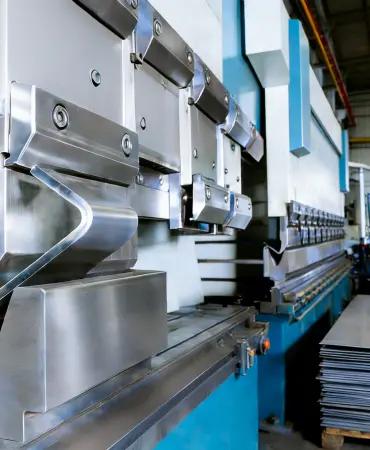
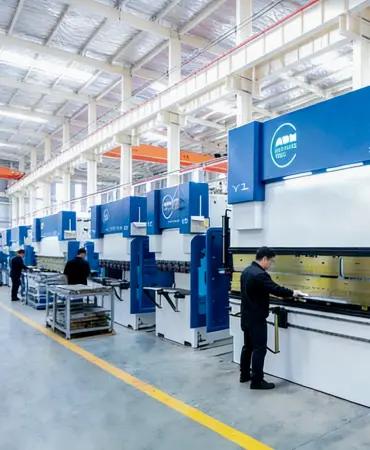
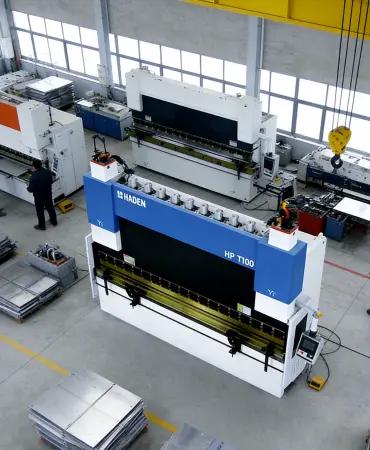
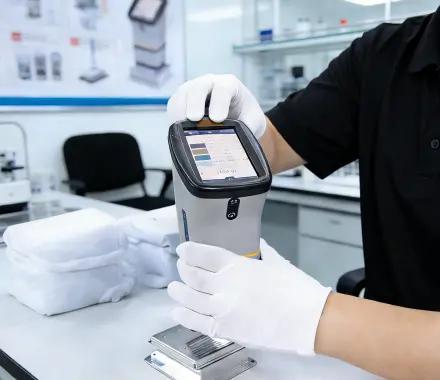
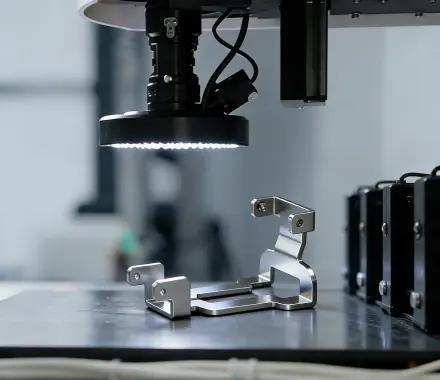
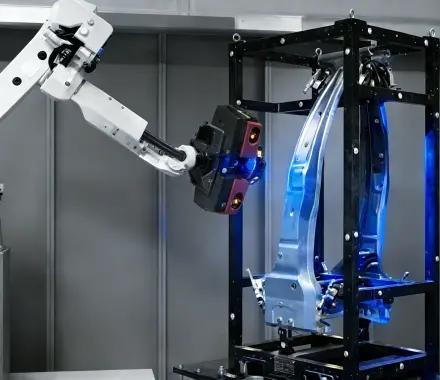
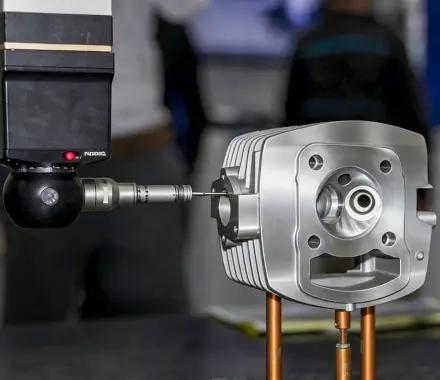
Our precision metal bending is supported by a comprehensive quality system that ensures angular accuracy and repeatability from prototype to production, eliminating assembly issues and delivering consistent part quality.
Quality starts with pre-production engineering. We analyze designs for manufacturability, optimizing bend sequences and parameters to prevent springback, ensure sharp angles, and maintain material integrity before forming begins.
Real-time monitoring maintains precision throughout production. Bend angle, tonnage, and positioning are continuously tracked. First-article and in-process checks verify critical dimensions, enabling immediate adjustments as needed.
Every order undergoes rigorous final inspection. Angular accuracy, surface condition, and dimensional stability are verified using precision gauges and CMM measurement, ensuring all parts meet specifications before shipment.
ADVANTAGES
Our precision metal bending solves critical fabrication challenges—transforming flat stock into stronger, more reliable components with faster integration for your final products.
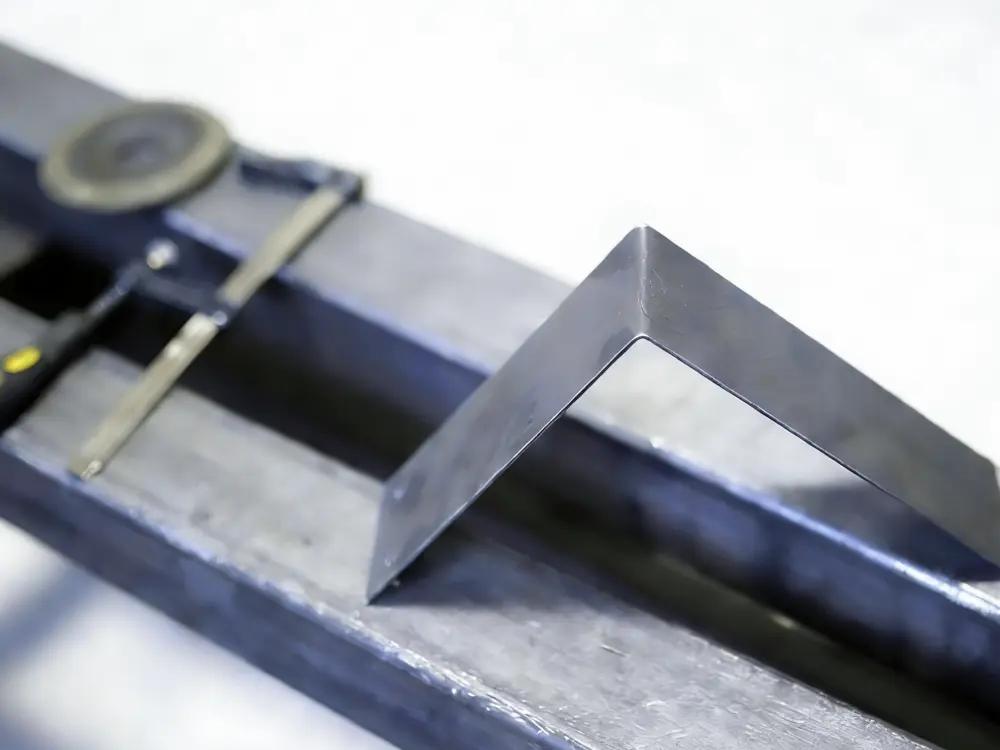
Consolidate multiple parts into single, continuous forms. Our bending minimizes welding, labor, and material waste—streamlining production and ensuring budget predictability.
Achieve perfect fit with ±0.5° angular accuracy. Our precision bending ensures components integrate seamlessly, removing alignment issues and rework costs.
Transform flat blanks into finished parts in days. Our digital workflow and automated equipment compress lead times without compromising quality.
Create inherently stronger components through work-hardening. Bent parts maintain material integrity better than welded alternatives.
Produce complex geometries from simple sheets. Our capabilities support innovative designs while maintaining structural integrity.
Deliver identical parts order after order. Our controlled processes guarantee repeatable results for both prototypes and production runs.
Minimize material waste through optimized nesting. Our process reduces scrap and supports environmental goals.
APPLICATIONS
Precision metal bending transforms sheet metal into durable, functional components that solve core challenges across industries—from enhancing structural integrity and assembly efficiency to optimizing fluid dynamics and achieving clean aesthetics.
Single-piece bent designs improve sealing, ensure consistent EMI shielding, and simplify assembly, effectively protecting sensitive electronics in industrial, automotive, and consumer applications.
High-strength, precision-bent frames and brackets provide reliable, repeatable support for machinery, vehicles, and building systems, designed to withstand dynamic loads and vibration.
Smooth, continuous bends with consistent radii optimize airflow and fluid transfer in HVAC, exhaust, and processing systems, minimizing turbulence, leakage, and pressure loss.
Lightweight yet robust chassis parts, roll cages, and structural reinforcements meet stringent safety standards while contributing to overall vehicle weight reduction and performance.
Clean lines, consistent bends, and seamless finishes enhance both aesthetics and durability for appliances, furniture, and architectural features, merging form with function.
Precision-bent enclosures, supports, and handles meet strict hygiene, cleanability, and dimensional accuracy requirements for diagnostic, surgical, and laboratory devices.
Durable, corrosion-resistant mounting structures, cable trays, and enclosures for solar and wind installations are engineered to withstand long-term exposure to harsh environmental conditions.
Our process begins with a DFM analysis of your CAD file to prevent errors. Using CNC press brakes with digital tooling libraries, we execute precise bends, monitored in real-time to ensure ±0.5° accuracy and perfect fit from the first part.
Yes, for most structural forms. Bending creates stronger, single-piece parts that eliminate weld seam failures, reduce assembly labor, and deliver a cleaner aesthetic, saving you time and improving product reliability.
Standard projects ship in 5-7 business days. We offer expedited services for prototypes and urgent needs, with some parts ready in as few as 3 days, helping you meet tight development cycles.
We maintain standard bend angle tolerances of ±1° and precise bend-to-hole/edge tolerances of ±0.25mm. Tighter tolerances are available upon request to meet critical assembly requirements.
No. We use precision-ground tooling and advanced techniques to minimize contact marks, delivering clean bends that often require no additional finishing for visible surfaces.
We can bend a wide range, from thin 0.8mm sheets up to heavy 25mm plate, handling various materials including high-strength steel and aluminum alloys.
High-strength alloys and fully hardened steels present the most challenge due to high springback and risk of cracking. We overcome this with specialized tooling and process expertise to ensure quality results.
The inside bend radius should typically match the material thickness (1T Rule) for optimal results. Our engineers will advise on the best radius for your specific material and design to ensure formability and strength.
We provide comprehensive solutions including air bending, bottoming, coining, U-bending, and roll bending, selecting the optimal method for your part's geometry, tolerance, and volume requirements.
Low-carbon steel (e.g., CRS) and soft aluminum (e.g., 5052) are highly formable, allowing for tight radii and complex shapes with minimal springback, making them cost-effective choices for many applications.
Absolutely. Our CNC controls allow for programming any angle, including fractional degrees. We partner with you to validate the design for manufacturability before production begins.
Quality is embedded at each stage: pre-production DFM, in-process monitoring of angle and force, and final inspection with tools like laser scanners and CMMs to verify every part meets print specifications.